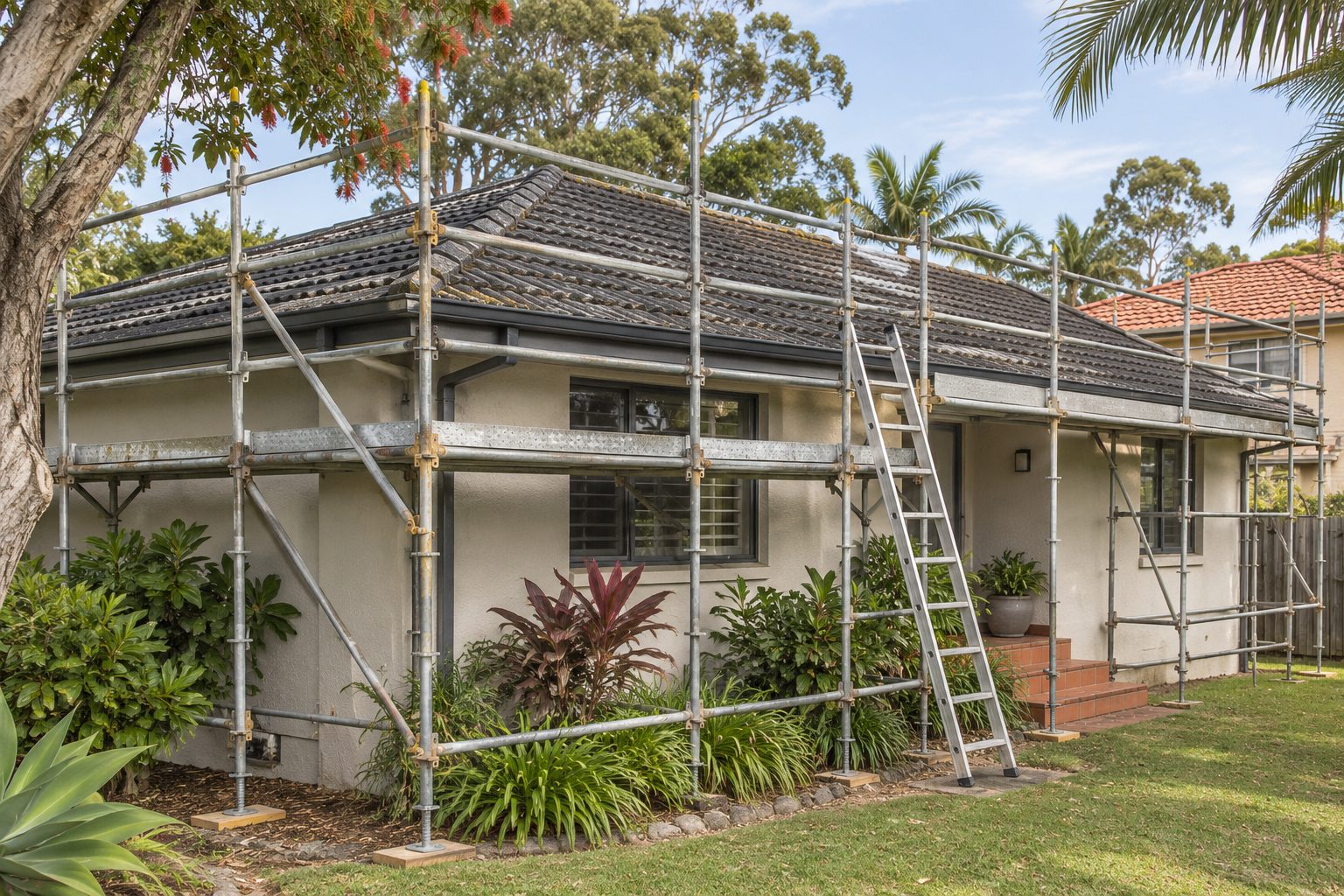
Roof Damage After Severe Weather
Storm Damage Roof Repairs Gold Coast
Storm affected your roof? Make safety your first priority and contact us. Call (07) 5610 2738
Roof Damage After Severe Weather
Storm affected your roof? Make safety your first priority and contact us. Call (07) 5610 2738
Strong wind, intense rainfall, hail and falling branches can damage roof coverings and leave parts of a building exposed. Some problems are immediately visible, while others only become apparent when the next shower arrives.
Roofing Repair Gold Coast helps property owners discuss storm-related roofing damage and the steps needed to assess it. If a roof has been seriously damaged, safety comes first. Stay clear of unstable materials, fallen power lines and areas affected by water near electrical equipment.
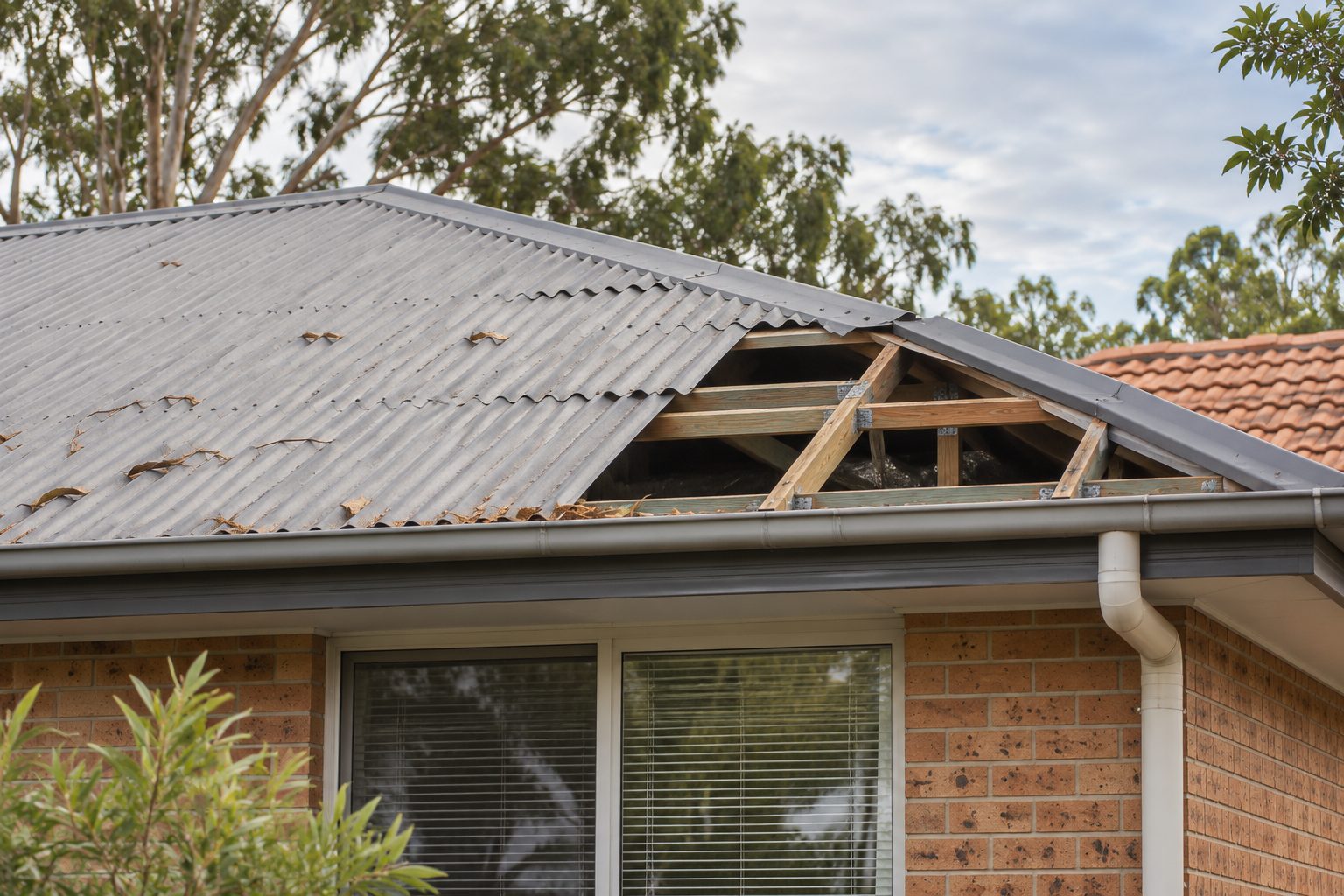
Look for missing tiles, dislodged ridge caps, bent metal sheets or debris resting on the roof, but only from a safe position. Do not climb onto the roof or use a ladder to inspect damage during unsafe conditions.
If rainwater is entering, keep away from affected electrical fittings. Move belongings only when safe and record the location of damage. Serious storm emergencies may require emergency services or the Queensland State Emergency Service.
Wind can disturb components without removing them completely. Roof flashings, valley materials, edge details and fasteners may have been affected even when the covering still appears present.
The first priority is identifying hazards and the extent of damage. Temporary protective measures may sometimes be appropriate, but access, weather and safety must be considered. Permanent repairs should address damaged materials and any affected junctions. Property owners considering an insurance claim should document visible damage and check their policy requirements. Coverage decisions belong to the insurer.
A roof may have deteriorated components before a storm occurs. Severe weather can reveal those weaknesses or cause new damage. An assessment should consider both possibilities without assuming that all defects resulted from one weather event. Before permanent work is arranged, it helps to know which areas need repair and whether further investigation is necessary. This makes it easier to discuss the proposed work with relevant property owners or insurers.
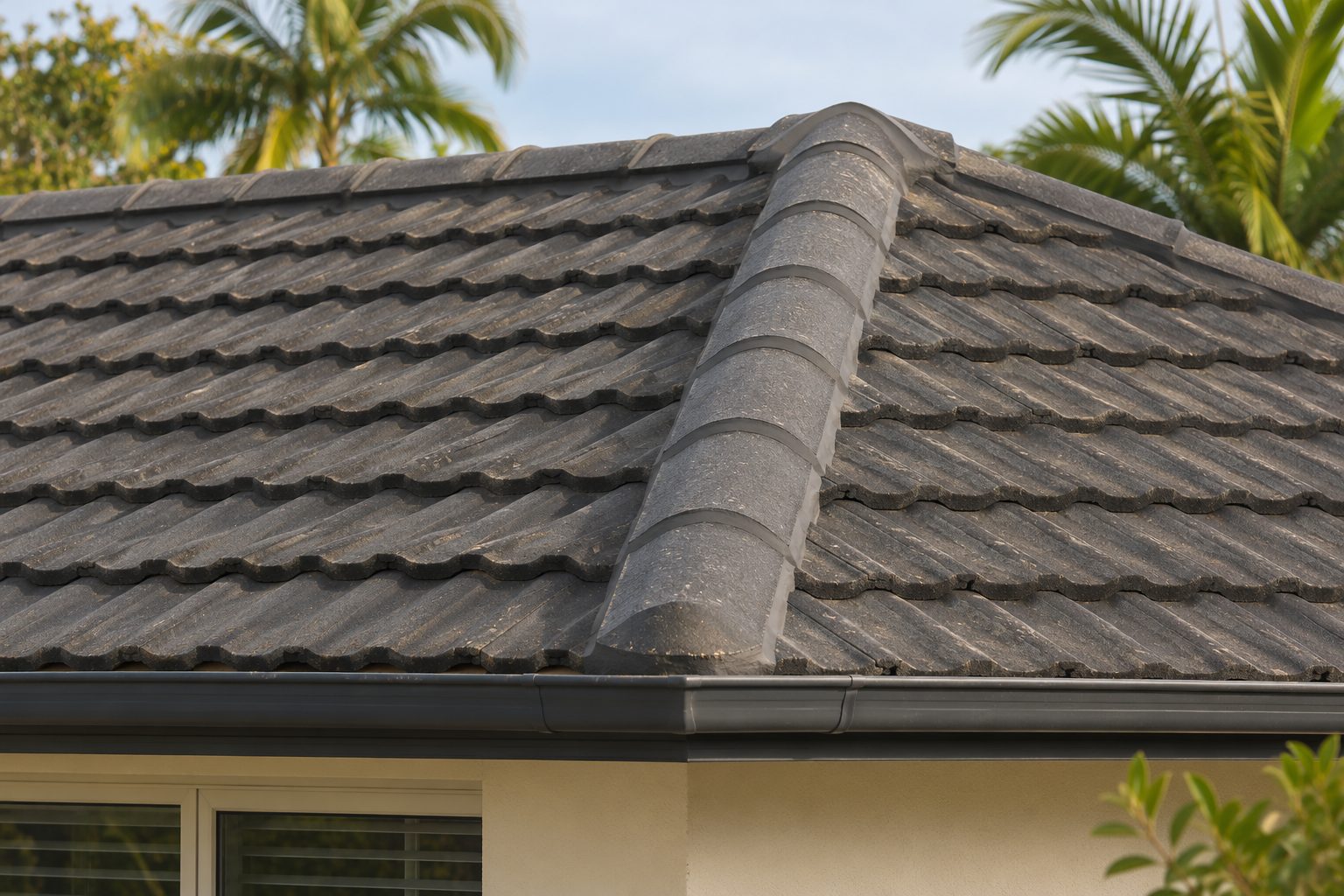
Strong winds may lift or displace tiles, particularly where roof edges and ridge areas are vulnerable. Nearby tiles and supporting components may also need checking.
Metal roofing can be bent, loosened or punctured by storm effects and debris. Repairs depend on the sheet condition and security of surrounding components.
Branches can damage tiles, metal coverings, gutters and roof structures. Heavy debris and potentially unstable trees require appropriate safety arrangements before roof work.
Wind-driven rain may enter through damaged flashings, roof joins or openings created during the storm. Investigation helps separate storm damage from pre-existing deterioration.
Clear photographs taken safely and notes about when damage occurred can help organise repair discussions. Insurance documentation requirements should be confirmed directly with the insurer.
Unstable roofing and storm debris can be dangerous. Safe access and conditions must guide the response.
The visible damaged area may not be the only component affected.
We aim to help distinguish immediate concerns from work that can be planned once conditions are safe.
If your property has suffered roof damage during a storm, contact us to discuss what needs attention.
Free — no obligations
Keep people away from damaged roofing, debris and electrical hazards.
Take photographs from a safe location and note the timing of the storm.
Describe what has happened and whether water is entering the building.
Review damage when weather and access conditions allow.
Discuss the required materials, priorities and proposed repair scope.